
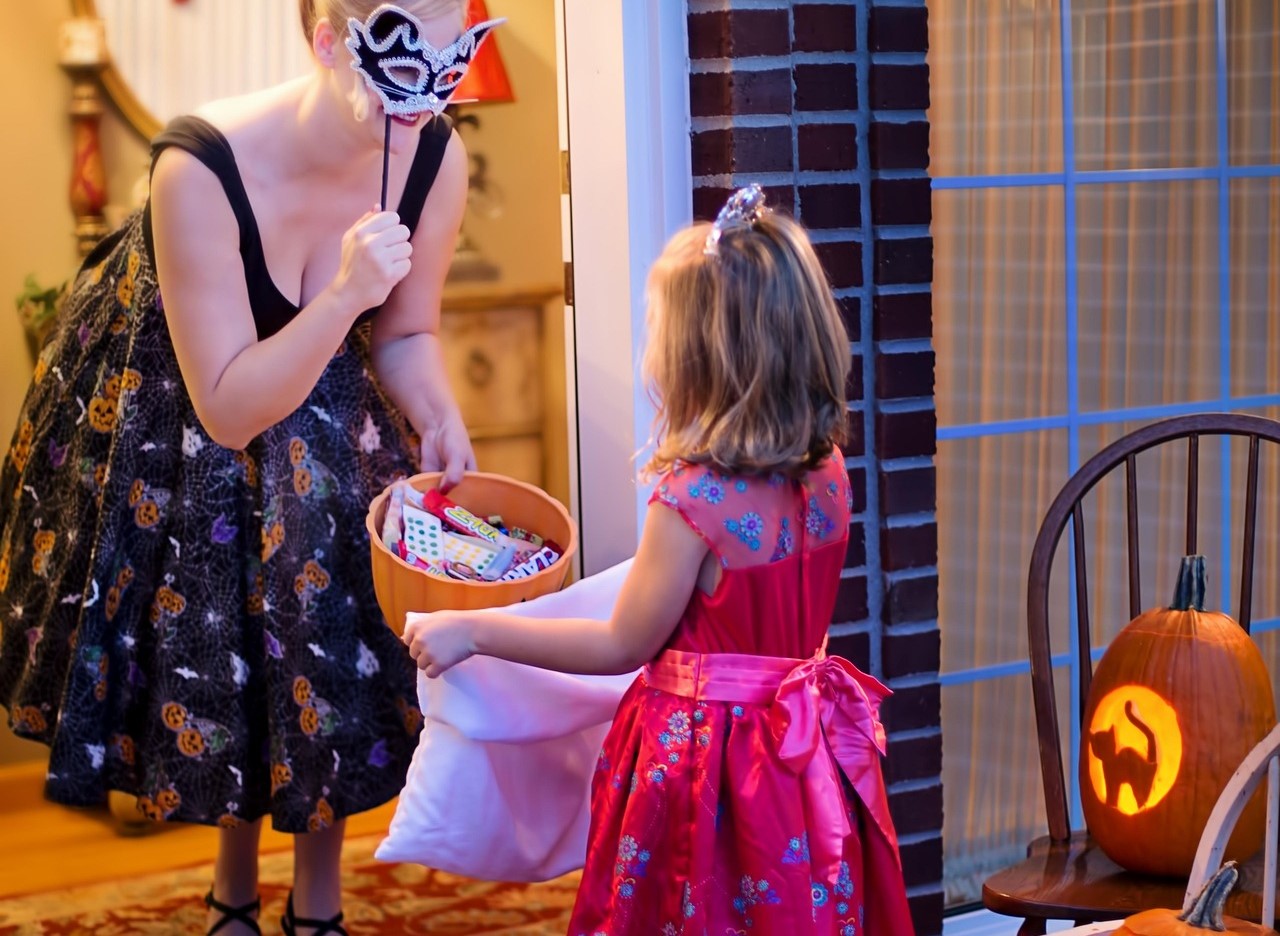
Halloween brings to mind costumes, glowing jack-o’-lanterns, neighborhood walks after dark, and, of course, the familiar call of “Trick or treat!”
For generations of American children, Halloween has meant ringing doorbells with a bag or bucket in hand and hoping for a favorite sweet treat. But this beloved tradition did not begin exactly as we know it today. Its story reaches back centuries, drawing from old European customs that gradually evolved into a distinctly American celebration.
Trick-or-treating: A sweet American tradition
Today, Halloween can include neighborhood trick-or-treating, school parties, trunk-or-treat events, costume contests, and family gatherings. Yet the classic image remains children in costume walking from house to house on Halloween night.
That version of trick-or-treating became widely established in the United States during the 20th century. As communities embraced the holiday, the tradition grew into a fun, family-centered occasion built around costumes, candy, and a little harmless mischief.
The European roots of Halloween customs
The origins of trick-or-treating are connected to several older customs from the British Isles.
One was known as “souling,” in which people visited homes around All Hallows’ Eve and All Souls’ Day, receiving small cakes or food in exchange for prayers for the dead. Another tradition, often associated with Scotland and Ireland, was “guising.” Children dressed in costume and visited neighbors, sometimes offering a song, poem, joke, or small performance in return for fruit, coins, or treats.
These traditions were not identical to modern trick-or-treating, but they shared familiar elements: dressing up, visiting neighbors, and receiving something sweet or useful in return.
How the tradition evolved in the United States
Irish, Scottish, English, and other European immigrants carried seasonal customs with them to America. Over time, communities blended those traditions with their own Halloween celebrations.
By the early 1900s, Halloween parties and neighborhood gatherings had become popular in many parts of the United States. Young people sometimes played pranks on Halloween, and communities began looking for positive ways to channel that energy into organized celebrations.
By the 1930s and 1940s, the phrase “trick or treat” and door-to-door costume visits were becoming increasingly familiar. The tradition became even more widespread after World War II, when growing suburban neighborhoods made house-to-house trick-or-treating an easy and popular family activity.
Why costumes are part of Halloween
Costumes have been connected to Halloween for centuries. In earlier traditions, disguises and masks were sometimes worn as part of seasonal beliefs about spirits, the changing of the seasons, and the boundary between the ordinary world and the supernatural.
Today, Halloween costumes are all about creativity and fun. Children may choose to be superheroes, storybook characters, animals, athletes, movie characters, or anything else their imaginations can dream up. Adults have joined the fun, too, making Halloween one of the year’s most playful holidays.
From homemade costumes to Halloween celebrations today
Many adults fondly remember homemade costumes made from cardboard, fabric, face paint, and a little imagination. While elaborate store-bought costumes are now common, the joy of dressing up has remained the same.
Halloween celebrations have expanded far beyond a single night of neighborhood trick-or-treating. Families may visit pumpkin patches, attend fall festivals, decorate their homes, carve pumpkins, watch spooky movies, or host costume parties. Communities often offer organized events that give children additional ways to celebrate safely.
Tips for a fun Halloween night
A little preparation helps make Halloween enjoyable for everyone.
- Choose costumes that are comfortable and easy to walk in.
- Add reflective details or carry a flashlight when walking after dark.
- Make sure children know which neighborhoods or events they are visiting.
- Check all treats before young children enjoy them.
- Be considerate of neighbors, pets, and anyone who may prefer a quieter evening.
A tradition that continues to evolve
Trick-or-treating has changed over the years, but its heart has stayed the same: neighbors sharing a little fun, children using their imaginations, and communities coming together for a festive autumn evening.
From centuries-old European customs to today’s candy-filled Halloween celebrations, the tradition continues to bring a little magic to neighborhoods across America.
Happy Halloween!
If you enjoyed this post, join Michelle Valentine’s FREE email newsletter for travel ideas, tips, recipes, and more.




Leave A Comment