

Wine has long been a symbol of celebration, culture, and connection. Today, wine tourism in the United States is no longer a niche interest reserved for connoisseurs—it has blossomed into a thriving travel trend that appeals to a wide range of audiences. From affluent couples seeking luxury vineyard escapes to intergenerational families looking for unique cultural experiences, the world of wine is drawing travelers like never before.
As the host of a nationally distributed PBS travel TV series, Love Eat Travel with Michelle Valentine, I see firsthand how wine destinations captivate audiences who are eager to sip, savor, and explore. This makes wine tourism not only a delightful journey for travelers but also a powerful opportunity for sponsors and partners to connect with high-value audiences.
The Growth of Wine Tourism in the U.S.
In the past decade, wine tourism in the United States has grown at a remarkable pace. Once overshadowed by Europe’s famous wine regions, America now boasts more than 11,000 wineries across all 50 states. From the iconic Napa Valley in California to the charming Finger Lakes in New York, vineyards have become magnets for both domestic and international visitors.
According to WineAmerica, the U.S. wine industry contributes over $276 billion annually to the economy. Tourism is a big slice of that pie, with millions of travelers booking wine tastings, vineyard tours, and culinary pairings each year. For many destinations, wine is now the centerpiece of a larger travel experience that blends food, culture, and scenic beauty.
Why Affluent Travelers Love Wine Tourism
Affluent travelers are at the heart of wine tourism’s growth. These travelers are not simply looking for a glass of wine; they want the full vineyard experience—luxury accommodations, private tastings, chef-prepared meals, and behind-the-scenes access to winemakers.
Wine destinations offer exclusivity and prestige, qualities that align perfectly with the desires of high-spend audiences. For sponsors, this creates an attractive demographic: PBS viewers, for instance, are well known for their cultural curiosity, travel spending power, and loyalty to brands that align with their values.
When wine regions or brands partner with media that reaches this audience, they are speaking directly to the very travelers who plan vineyard getaways, purchase premium bottles, and invest in unique culinary experiences.
A Multi-Generational Appeal
Wine tourism isn’t just for couples or groups of friends. Increasingly, it has become a multi-generational experience. Families are seeking destinations where grandparents, parents, and adult children can share memorable activities together—and wineries are adapting to meet that demand.
Beyond tastings, vineyards often offer cooking classes, vineyard walks, outdoor concerts, and cultural events. These experiences make wineries attractive to groups who want more than just wine—they want history, education, and entertainment.
This trend positions wine tourism as inclusive, broadening its appeal to a wider audience and giving sponsors the chance to connect with multiple generations of travelers at once.
Food, Culture, and Wine: A Perfect Pairing
Wine tourism thrives because it blends seamlessly with other beloved aspects of travel. Food lovers in particular are drawn to regions where wine is celebrated. From pairing bold reds with Texas barbecue to sipping crisp Rieslings alongside fresh seafood in New York’s Finger Lakes, the culinary connection is irresistible.
Wine destinations also highlight local culture. In Virginia, vineyard tours are paired with colonial history and scenic countryside. In Oregon’s Willamette Valley, eco-conscious farming practices resonate with sustainability-minded travelers. Each region offers its own story, giving wine tourism a depth that goes beyond the glass.
This cultural richness makes wine tourism one of the most promotable aspects of travel content. Sponsors benefit when their brand is aligned with destinations that celebrate not only taste but also tradition, heritage, and lifestyle.
Emerging Wine Regions Worth Watching
While Napa and Sonoma remain iconic, emerging wine regions across the U.S. are gaining attention. Texas Hill Country has become one of the fastest-growing wine destinations, offering bold reds and authentic hospitality. Virginia’s vineyards are blending old-world style with modern flair, attracting travelers from the East Coast and beyond. Even lesser-known areas like Michigan and Arizona are carving out unique spaces in the wine market.
These regions are especially appealing to sponsors looking to stand out. Promoting wine tourism outside of California allows brands to position themselves as leaders in new and exciting destinations, reaching adventurous travelers eager to discover the next great wine region.
The Role of Media in Promoting Wine Tourism
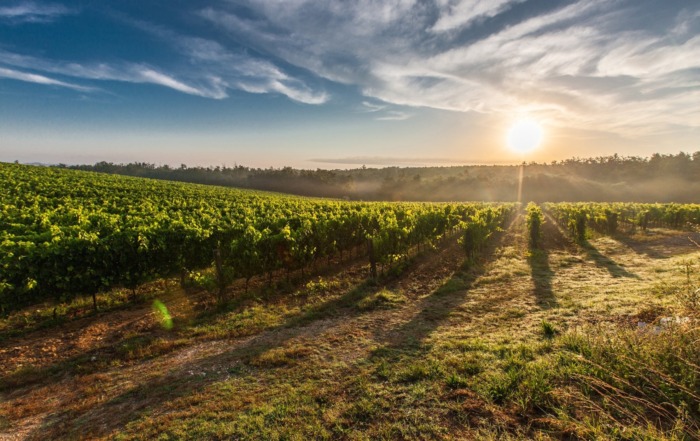
As a PBS TV host, I’ve witnessed the powerful role that media plays in shaping travel trends. Audiences are inspired by the stories they see on screen—whether it’s the sight of rolling vineyards, the sparkle of wine glasses at sunset, or conversations with passionate winemakers.
Wine tourism content appeals to PBS TV viewers because it blends education, travel, and lifestyle. These viewers are curious, engaged, and willing to invest in the destinations they see showcased. For sponsors, the benefit is clear: aligning with trusted, educational media allows wine regions and brands to build credibility while reaching a premium audience.
Why Sponsors Should Pay Attention
Wine tourism is not just about tasting rooms—it’s about creating lasting impressions. Sponsorship opportunities in this space connect brands with:
-
Affluent travelers who spend more per trip and seek high-quality experiences.
-
Food lovers who value culinary and beverage pairings.
-
Multi-generational travelers who plan family getaways with cultural depth.
-
Culturally curious PBS audiences who align with premium, educational travel content.
By supporting editorial content that celebrates wine tourism, sponsors place their name alongside trusted storytelling that resonates with consumers long after the trip is over.
Looking Ahead: The Future of Wine Tourism
As travel continues to evolve, wine tourism shows no signs of slowing down. Sustainability, wellness, and authenticity are shaping the future of the industry. Travelers are seeking organic vineyards, eco-conscious practices, and immersive experiences that go beyond the tasting glass.
This evolution creates new opportunities for sponsors to highlight their own commitments—whether it’s to sustainability, luxury, or innovation. Partnering with content creators and media platforms that spotlight wine tourism ensures that brands remain at the forefront of this exciting trend.
A Toast to Opportunity
Wine tourism in the U.S. is booming because it offers so much more than a drink. It’s a way to experience culture, food, history, and connection—all in one unforgettable journey. From the rolling hills of California to the up-and-coming vineyards of Texas and Virginia, the industry is thriving, and travelers are eager to explore.
For sponsors, this is the perfect moment to raise a glass. By aligning with wine tourism content, you not only support the storytelling that inspires travelers but also connect with audiences who are ready to invest in their next great adventure.
Cheers to the future of wine tourism—and the opportunities it holds for brands, destinations, and travelers alike.




Leave A Comment