

Animal sanctuaries are some of the most meaningful places I visit while traveling.
Unlike traditional attractions centered primarily around seeing animals, true sanctuaries are often focused on rescue, lifelong care, education, and providing a safe home for animals that cannot return to the wild.
The stories behind those animals can be heartbreaking, but the people caring for them can also be incredibly inspiring.
I’ve visited animal sanctuaries in different parts of the United States, and one of them became especially meaningful to me: Elmira’s Wildlife Sanctuary in Florida.
I first visited Elmira’s years ago. Later, I returned with our cameras to feature the sanctuary in the SouthShore, Florida episode of Love Eat Travel with Michelle Valentine.
During that same episode, I also visited Tampa Electric’s Manatee Viewing Center in Apollo Beach, where the story is quite different. Instead of rescued animals receiving lifelong care, the center provides an opportunity to observe wild Florida manatees that choose to gather in a protected warm-water refuge.
Together, these experiences gave me two very different perspectives on animals, conservation, and responsible wildlife tourism.
Here are several animal sanctuaries and wildlife experiences around the country that have captured my attention and, in one case, truly captured my heart.

Elmira’s Wildlife Sanctuary in Wimauma, Florida
Elmira’s Wildlife Sanctuary in Wimauma has a special place on this list because my connection to it began before Love Eat Travel.
The sanctuary provides a forever home and care for exotic animals in need.
Over the years, Elmira’s has cared for an assortment of animals, including wolves, parrots, lemurs, cougars, bears, and other wildlife.
But one resident particularly captured my heart.
Stanley the bear.
Meeting Stanley the Bear
I met Stanley during one of my earlier visits to Elmira’s, years before we filmed our PBS travel series there.
There was something about this enormous bear that immediately got to me.
When Love Eat Travel eventually began filming our SouthShore, Florida episode, returning to Elmira’s gave me an opportunity to revisit a place I already cared about and introduce its story to our viewers.
This time, I wasn’t simply walking through the sanctuary.
I was learning more about the individual animals, the circumstances that brought some of them there, and the people dedicated to giving them a safe place to live.
Hearing rescue stories while you’re standing only a short distance from the animals themselves makes the experience very different.
These aren’t anonymous animals in an exhibit.
Each has a history.
Returning to Elmira’s While Filming Love Eat Travel
Our filming day at Elmira’s became one of the more emotional experiences in our SouthShore episode.
We spent time exploring the sanctuary, meeting rescued animals, and learning about the work involved in caring for animals that may require specialized attention for the rest of their lives.
And, of course, I got to see Stanley again.
Returning with our production crew made me appreciate the sanctuary in a completely different way.
When you visit a sanctuary casually, it’s easy to focus on the animals you see.
When you’re interviewing people and learning the stories behind those animals, you begin thinking about what happened before they arrived and what it takes to care for them afterward.
That’s the part of sanctuary work visitors don’t always see.
Tampa Electric’s Manatee Viewing Center in Apollo Beach, Florida
Not far from Elmira’s, I experienced another side of Florida wildlife while filming our SouthShore episode at Tampa Electric’s Manatee Viewing Center in Apollo Beach.
This is an entirely different kind of animal experience.
The manatees aren’t captive animals.
They’re wild Florida manatees that gather in the warm-water discharge canal beside Tampa Electric’s Big Bend Power Station when the surrounding waters of Tampa Bay become cold.
Manatees began seeking out the warm water here decades ago. Today, the canal is a state- and federally designated manatee sanctuary, and visitors can watch the animals from viewing areas and boardwalks.
Seeing Wild Florida Manatees
There is something wonderful about looking down into the water and realizing the manatees below you chose to be there.
They’re free to come and go.
During colder periods, large numbers can gather in the warm-water refuge, creating an extraordinary opportunity to observe one of Florida’s most beloved native animals.
While filming there, I was able to see the manatees gathering in the water and learn more about the animals, their habitat, and the importance of protecting them.
And they’re fascinating to watch.
They may appear slow and almost impossibly peaceful as they move through the water, occasionally surfacing for air before disappearing beneath it again.
More Than a Place to See Manatees
What I especially appreciate about the Manatee Viewing Center is that the experience isn’t simply about getting a photograph of a manatee.
Education is an important part of the visit.
Visitors can learn about Florida manatees, their habitat, and some of the challenges these marine mammals face.
The surrounding Florida Conservation and Technology Center also brings together organizations involved with environmental education, research, conservation, and Florida’s ecosystems.
That makes the experience particularly valuable for families.
Children may arrive excited because they’re going to see manatees, but they can leave knowing considerably more about the animals and the environment they depend upon.
And adults can learn quite a bit, too.
A Different Kind of Wildlife Experience
Elmira’s and the Manatee Viewing Center are relatively close geographically, but they represent two very different approaches to experiencing animals.
At Elmira’s, you’re meeting animals that needed a permanent sanctuary and people committed to caring for them.
At the Manatee Viewing Center, you’re observing wild animals in a protected refuge they have chosen to use.
Both experiences can teach us something important.
Responsible animal tourism isn’t simply about getting as close to an animal as possible.
Sometimes the most meaningful experience is learning its story and respecting the space it needs.
What Makes an Animal Sanctuary Different?
The word “sanctuary” can mean different things, so travelers should do a little research before visiting any animal facility.
Generally, a reputable sanctuary places animal welfare at the center of its mission.
Many provide permanent homes for animals that have experienced neglect, abandonment, inappropriate private ownership, or other circumstances that make release impossible.
Some also participate in education, conservation, or advocacy.
Before visiting, look into the organization’s mission and how it cares for its animals.
A responsible wildlife experience should never depend on stressing an animal simply to entertain a visitor.
Kindred Hearts Animal Rescue & Sanctuary
Kindred Hearts Animal Rescue & Sanctuary provides care for animals in need, including aging, neglected, and special-needs animals.
Sanctuaries like this demonstrate that rescue isn’t always about preparing an animal for adoption or release.
Sometimes rescue means providing lifelong care.
Older animals and those with medical or behavioral needs may require an enormous commitment of time, money, space, and specialized attention.
Supporting organizations willing to make that commitment can help give vulnerable animals stability and dignity.
Cleveland Amory Black Beauty Ranch in Texas
The Cleveland Amory Black Beauty Ranch in Texas provides sanctuary to rescued animals representing many different species.
Its residents have included animals rescued from situations involving neglect, exploitation, and other difficult circumstances.
Large sanctuaries face challenges most visitors rarely think about.
Food.
Veterinary care.
Shelter.
Land.
Staffing.
Maintenance.
Specialized habitats.
Caring for large numbers of animals is an enormous undertaking, which is why education and responsible support are such important parts of sanctuary work.
The Wild Animal Sanctuary in Colorado
The Wild Animal Sanctuary in Colorado is another organization dedicated to rescued animals, particularly large carnivores and other animals requiring substantial space and specialized care.
Animals such as lions, tigers, bears, and wolves obviously have very different needs from domestic pets.
Providing appropriate environments for large rescued animals requires extensive land, experienced caregivers, and long-term resources.
Visiting a facility like this can help travelers understand the complicated realities surrounding captive wildlife and why responsible animal care matters.
Purrfect Pals in Washington
Not every sanctuary experience involves exotic wildlife.
Purrfect Pals in Washington focuses on cats, including animals that may need medical care, rehabilitation, adoption assistance, or longer-term support.
Domestic animal rescue is just as important.
Cats and dogs can face abandonment, neglect, medical challenges, and difficulty finding appropriate homes.
Organizations dedicated to giving those animals another chance are performing an important service in their communities.
Visit Purrfect Pals online to learn more about its cats, programs, and ways to help.
How to Visit Animal Sanctuaries Responsibly
If you’d like to include an animal sanctuary in your travels, take a few minutes to research it first.
Read about its mission.
Find out where the animals come from.
Look at how visitors are permitted to interact with them.
Learn how the organization supports its animal-care mission.
And remember that the best experience for you isn’t necessarily the best experience for the animal.
Sometimes responsible wildlife tourism means observing rather than touching.
Consider Supporting the Sanctuary You Visit
Admission isn’t the only way to help.
Depending on the organization, sanctuaries may need donations, supplies, volunteers, sponsorships, or support for specific animal-care projects.
Some publish wish lists.
Others offer symbolic animal sponsorships or fundraising campaigns for habitats and veterinary care.
If a sanctuary makes an impression on you, consider learning what it actually needs rather than assuming.
Even sharing the organization’s work with others can help bring attention to its mission.
Why Animal Experiences Stay With Me
I love seeing wildlife when I travel, but sanctuary and conservation experiences affect me differently.
There is usually a story behind what you’re seeing.
Some are difficult stories to hear.
Others demonstrate what can happen when people decide that animals and their habitats are worth protecting.
That’s what I remember about Elmira’s.
I had visited before we ever conceived of Love Eat Travel. Years later, I found myself standing there again, this time with cameras around me, telling a much larger audience about a place and an animal I already cared about.
Then, during that same SouthShore production, I stood above the water at the Manatee Viewing Center watching wild manatees gather below me.
Two completely different experiences.
Both stayed with me.
Discover More of SouthShore, Florida
Elmira’s Wildlife Sanctuary and Tampa Electric’s Manatee Viewing Center were just two of the experiences I explored while filming our SouthShore, Florida episode of Love Eat Travel with Michelle Valentine.
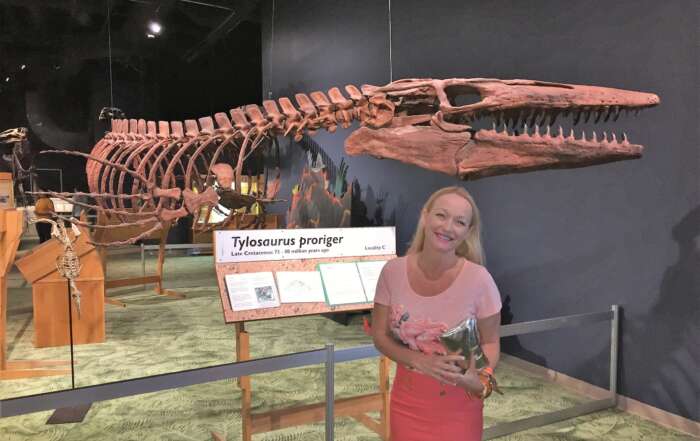
Our travels through the region also introduced me to fossils and Florida’s prehistoric past, waterfront dining, local history, and some wonderfully unexpected attractions.
What I loved about SouthShore was discovering how much variety exists within this relatively small part of Florida’s Gulf Coast.
Discover more from my SouthShore, Florida episode of Love Eat Travel with Michelle Valentine.
Let Animal Experiences Mean Something
Seeing an animal while traveling can create a wonderful memory.
But learning its story can change the experience entirely.
The next time you discover an animal sanctuary, wildlife refuge, or conservation attraction during your travels, don’t just look at the animals.
Learn why they’re there.
Learn about the people protecting them.
Learn about the environment they depend upon.
And if the experience captures your heart, as Elmira’s and Stanley captured mine, consider finding a way to help.


Leave A Comment