
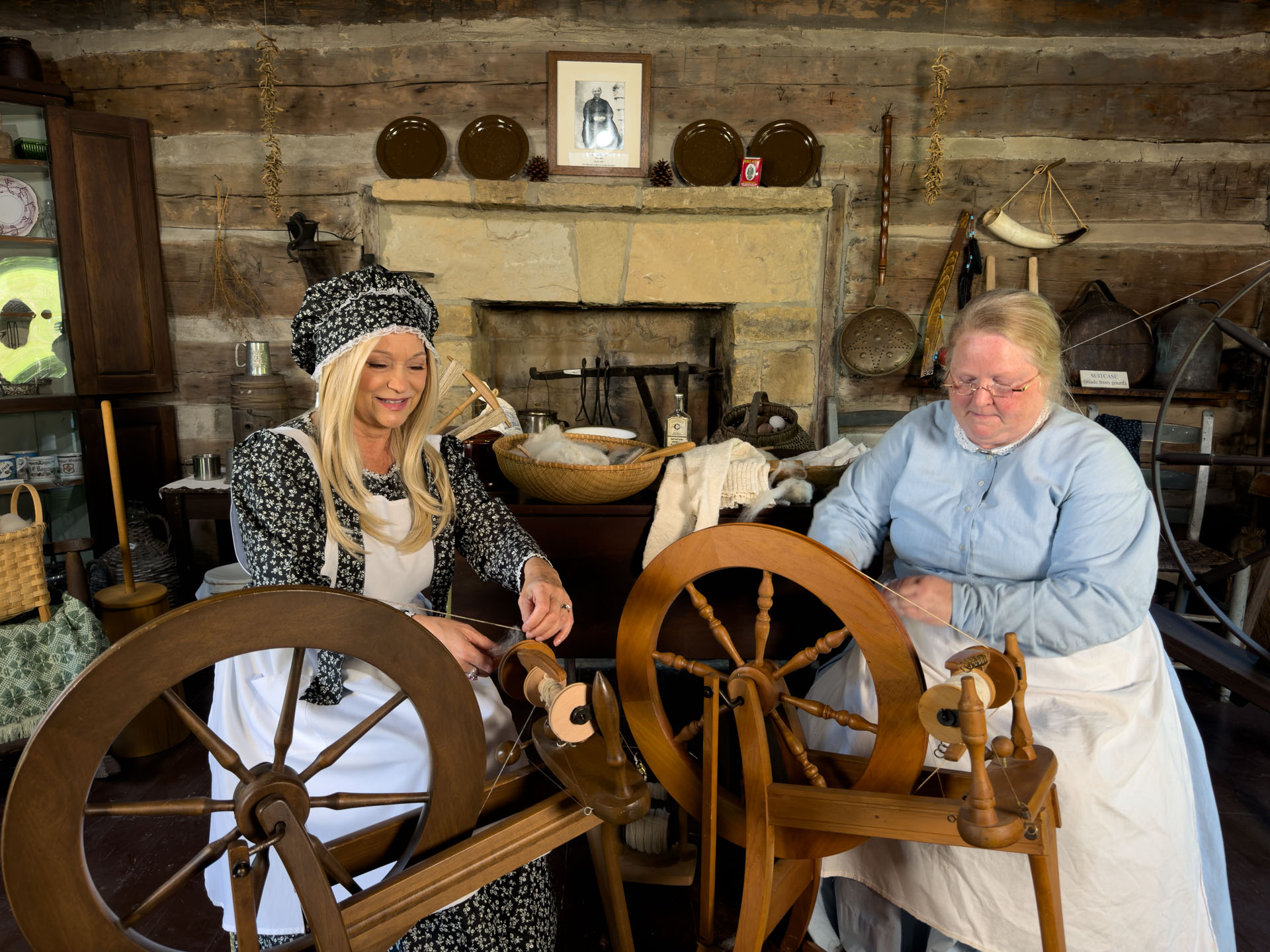
It is easy to romanticize pioneer life. We picture small cabins surrounded by beautiful countryside, gardens filled with fresh vegetables, meals cooked over a fire, and clothing made by hand. It sounds peaceful and simple, but “simple” certainly did not mean easy.
While filming Love Eat Travel with Michelle Valentine in Kentucky and Southwest Florida, I had the opportunity to learn more about how early families lived, worked, grew their food, and made many of the things they needed for everyday life. I even tried a few of those traditional skills myself, which gave me a much greater appreciation for just how much work was involved.
Pioneer life also looked very different depending on where you lived. Families in the mountains of Kentucky had different crops, resources, weather, and challenges than people building lives in Southwest Florida. Seeing both gave me an interesting look at how people adapted to the places they called home.
Pioneer Life in Kentucky
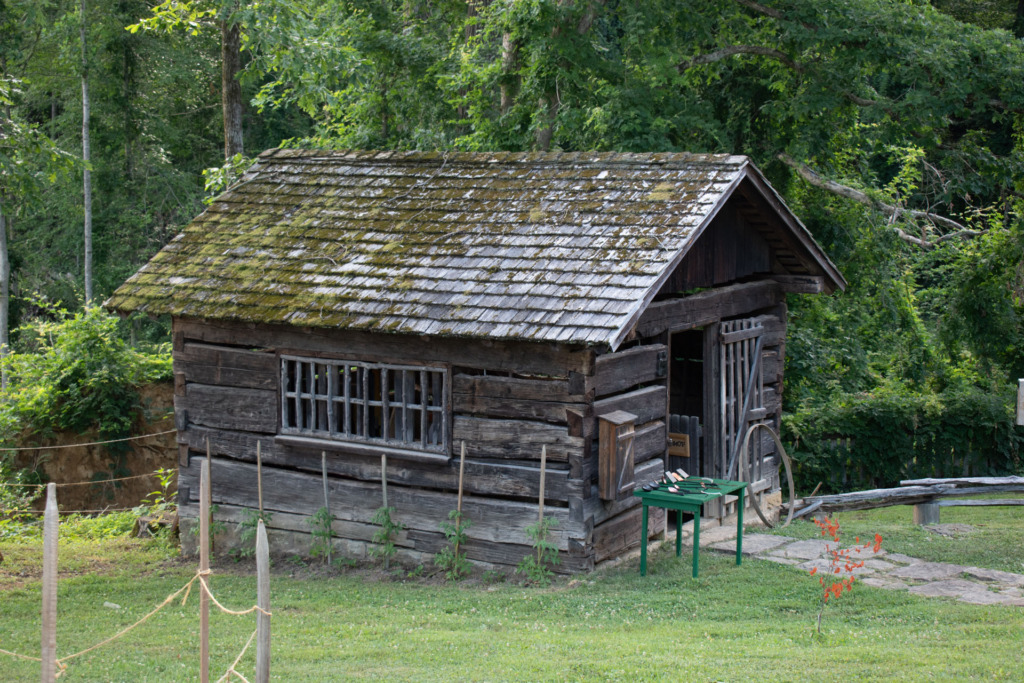
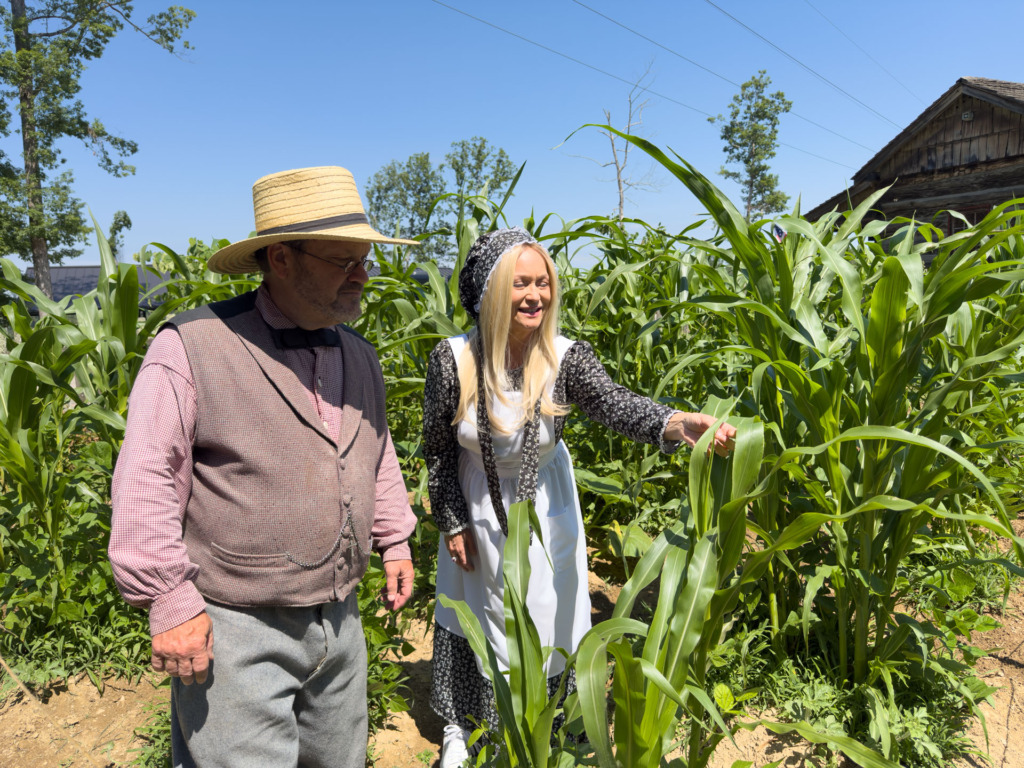
At Mountain Life Museum near London, Kentucky, historic cabins, agricultural areas, tools, and demonstrations help show how people once lived in this part of the country. For my visit, I even dressed the part in a full-length black dress covered in tiny white flowers, complete with long sleeves, a high neckline, a white apron, and a matching floral bonnet.
The historic buildings were small and very rustic, and walking through them made it easy to imagine how different everyday life must have been. Families had far fewer possessions and much less living space, while so many of the things we now buy ready-made had to be produced, grown, cooked, or repaired at home.
Food, clothing, farming, household chores, and maintaining a home all required time and knowledge. There were no modern appliances to speed things along, no grocery store filled with food from around the world, and certainly no online shopping when you needed something.
When Making Your Own Clothes Was Part of Life
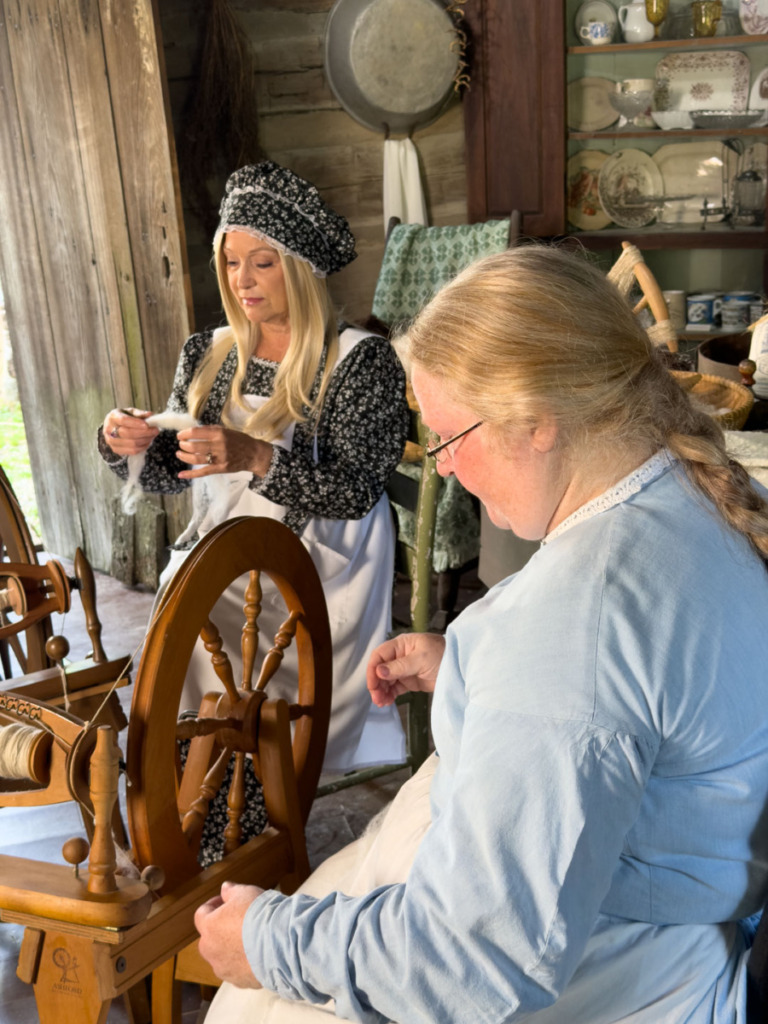
One of the traditional skills I tried was spinning wool, and I quickly discovered that an experienced spinner can make something very difficult look incredibly easy.
The spinning wheel requires you to coordinate the movement of your foot with what your hands are doing with the wool. I received a wonderful lesson and tried my best, but I managed to jam up the foot-pedal machine several times along the way.
It was funny, but it also gave me a new appreciation for how much work once went into producing clothing. Before someone could sew a dress, shirt, or blanket, the material itself had to be created. Spinning, weaving, and sewing were practical skills that families depended upon rather than hobbies someone might learn for fun.
My own pioneer outfit suddenly seemed a little more impressive after I realized how much work would once have gone into making it.
The Importance of the Village Blacksmith
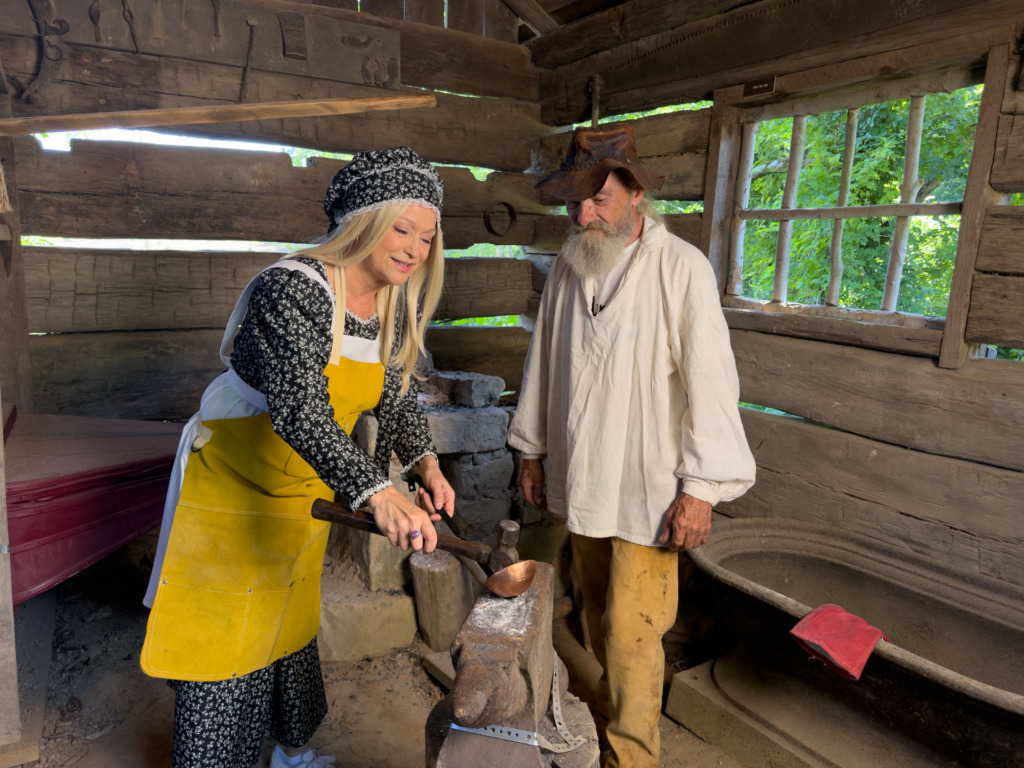
Blacksmithing was another essential skill in early communities. Farmers and families needed tools, hardware, cooking implements, and other metal objects, and those items also needed to be repaired when they broke.
During my visit, I had the opportunity to work the bellows that helped keep the blacksmith’s fire hot and then hammer a heated steak pick after it came out of the fire. I wasn’t about to become the village blacksmith after one lesson, but actually participating in the process made it much easier to understand the skill involved.
That’s one of the things I enjoy most about living-history experiences. Seeing an old tool displayed behind glass can be interesting, but watching someone demonstrate how it was made, and then getting the opportunity to try part of the process yourself, makes the history much more memorable.
Growing, Cooking and Preserving Food
Food was another enormous part of daily pioneer life. Families relied heavily on what they could grow, raise, gather, and preserve, which meant understanding the land and the growing seasons was essential.
Corn was an especially useful crop because it could be prepared and preserved in different ways, including being ground into cornmeal. I didn’t operate the corn equipment during our visit, but the museum director gave every member of our crew a bag of fresh cornmeal to take home. Mine is destined to become homemade corn dogs, which may not be particularly authentic pioneer cooking, but I’m looking forward to making them.
Agriculture wasn’t only about feeding a family, either. Crops could also become important to the economy of an area. I learned more about that connection while interviewing the museum director in the tobacco farm area and hearing about the importance tobacco once had to local life.
What struck me throughout the experience was how many different skills were necessary simply to keep a household functioning. Growing food, cooking, sewing, making and repairing tools, caring for animals, and maintaining a home weren’t separate hobbies. They were part of everyday life.
Explore London, Kentucky with Love Eat Travel with Michelle Valentine.
Pioneer Life Looked Different in Florida
Hundreds of miles south, the basic needs of early families were the same, but the environment was completely different.
During our visit to Marco Island Historical Museum in Florida’s Paradise Coast, I learned more about how early residents used the fruits, vegetables, and plants that could grow in Southwest Florida. Instead of concentrating on the household skills I had experienced in Kentucky, this gave me another perspective on pioneer life through food and the local environment.
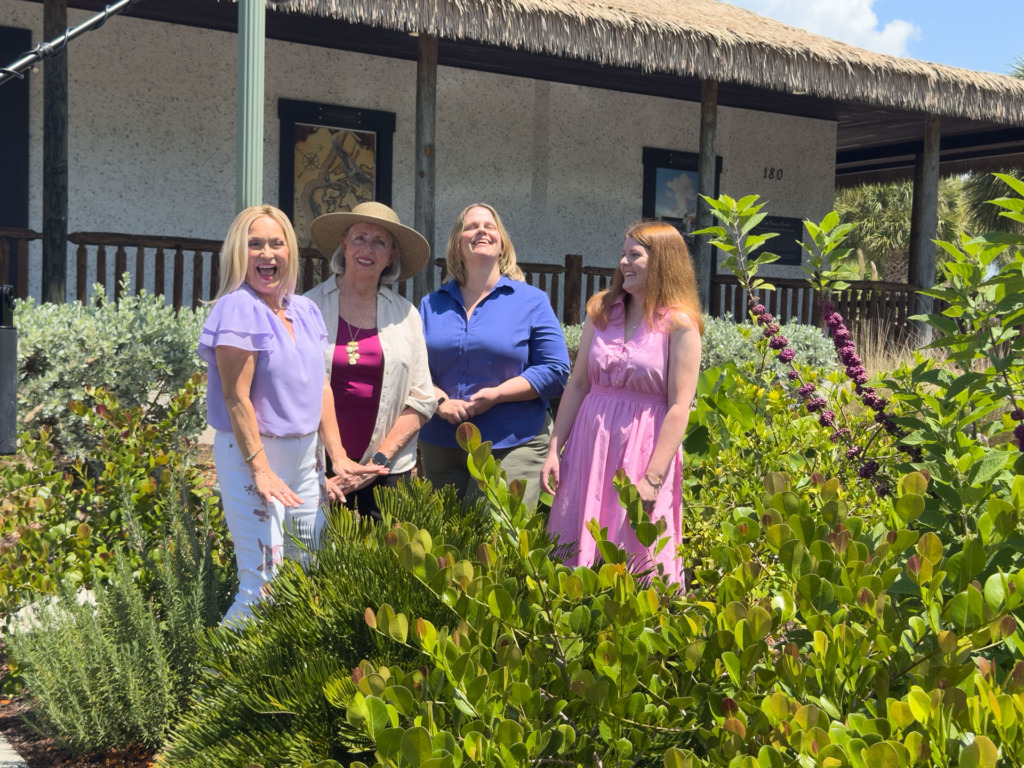
One of my interviews took place right in the museum’s garden area with three women who were extremely knowledgeable about the foods and plants early residents used. Being surrounded by the garden while talking about how people fed themselves made it much easier to connect those stories with the actual environment.
Eating What the Land Provided
Today, we can walk into a supermarket in Florida or Kentucky and buy fruits and vegetables grown hundreds or even thousands of miles away. Early families obviously didn’t have that luxury, so knowing what would grow successfully where they lived was much more important.
Gardens provided foods that could become part of everyday meals, while native and locally available plants offered additional resources. During one of our conversations at Marco Island Historical Museum, heart of palm came up briefly, and one of the women pointed out the palm as we talked about plants and foods available in the area.
It was a small detail, but I found it fascinating because heart of palm is something many of us recognize from a salad or grocery-store shelf without ever thinking about where it actually comes from.
The museum also explores Marco Island’s maritime history, another reminder of how much geography influenced daily life. For communities surrounded by water, boats and waterways played important roles in transportation, food, trade, and communication. Pioneer families in inland Kentucky faced a very different environment, but both communities had to understand the resources around them and learn how to use what was available.
Could You Handle Pioneer Life?
After learning more about pioneer life in both Kentucky and Florida, I have a much greater appreciation for the knowledge and resourcefulness earlier generations needed.
Many of us wouldn’t know where to begin if we suddenly had to grow much of our own food, make fabric for our clothing, repair our own tools, preserve food without modern refrigeration, and handle all of the other chores necessary to keep a household running.
Even something that looked fairly straightforward, like spinning wool, proved to be much more difficult than I expected. It made me think about how many everyday skills have largely disappeared from our lives because modern conveniences have made them unnecessary.
That’s one reason I enjoy visiting historical places when I travel. Dates and names are important, but history becomes much more interesting when you can see how people actually lived, what they ate, what they grew, and how much work went into ordinary things we barely think about today.
I don’t think I’ll be spinning the fabric for my own clothes anytime soon. But I am going to make those corn dogs.
Explore London, Kentucky with Love Eat Travel with Michelle Valentine.
Explore Florida’s Paradise Coast with Love Eat Travel with Michelle Valentine.


Leave A Comment